
Ultrasound ไม่มี Specialist อยู่ตลอด OneSight เลยใช้ Raspberry Pi CM5 + AI ช่วย Guide การตรวจ
ใน Emergency Veterinary Medicine Ultrasound สามารถให้ข้อมูลสำคัญต่อการตัดสินใจได้อย่างรวดเร็ว แต่ปัญหาคือไม่ใช่ทุก Clinic จะมีผู้เชี่ยวชาญด้าน Ultrasound พร้อมอยู่ตลอดเวลา
Fast Medical Devices จึงพัฒนา OneSight ระบบ Portable AI-guided Ultrasound ที่ใช้ Raspberry Pi Compute Module 5 เป็น Compute Platform เพื่อช่วย Guide Veterinarian ระหว่างการตรวจ, วิเคราะห์ Imaging Feed แบบ Real-time และช่วยสร้าง Diagnostic Report
สิ่งที่น่าสนใจในมุม Maker และ Embedded Developer คือระบบไม่ได้มีแค่ AI Model แต่ต้องแก้โจทย์ตั้งแต่ Video Acquisition, USB-UVC, Edge Compute, Touchscreen UI, Custom OS, Security ไปจนถึง CI/CD สำหรับ Deploy Device หลายเครื่อง
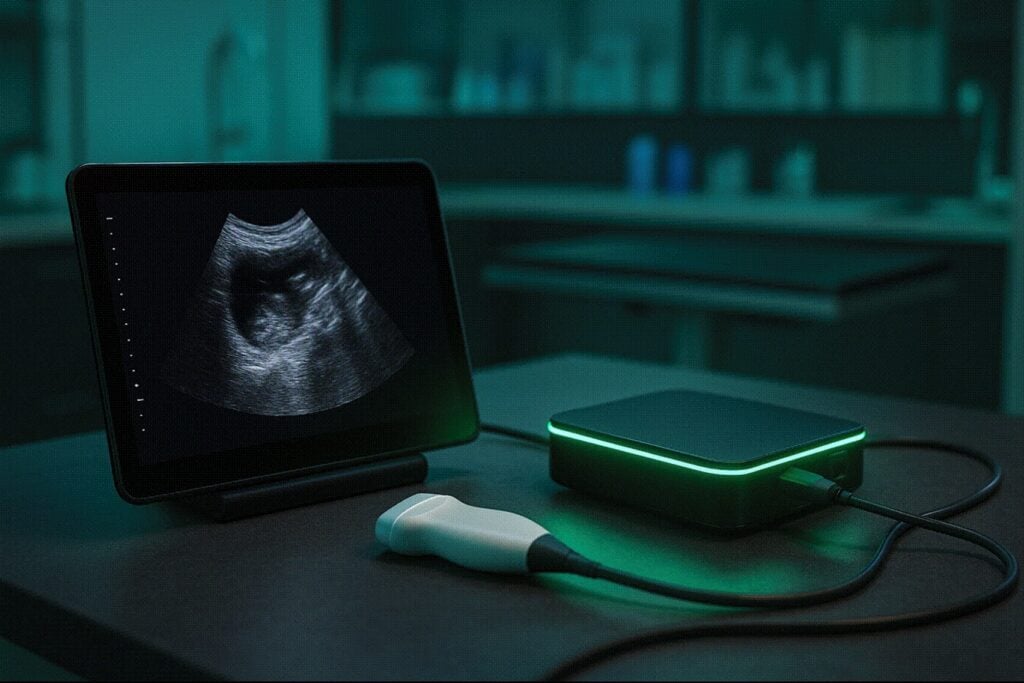
- OneSight พัฒนาโดย Fast Medical Devices สำหรับ Veterinary Imaging
- MVP ใช้ Raspberry Pi Compute Module 5 และ Compute Module 5 IO Board
- RP2040 เป็นส่วนหนึ่งของ Solution แต่ Source ไม่ระบุหน้าที่เฉพาะ
- Custom Acquisition Board แปลง Imaging Feed เป็น USB-UVC Stream
- CM5 ใช้สำหรับ Real-time Processing และ User Interface
- AI ช่วย Guide การตรวจ วิเคราะห์ภาพ และช่วยสร้างรายงาน
- Software Stack ใช้ Custom OS, CI/CD และ OTA Update Workflow
- Case Study ยังอยู่ในบริบท MVP / Pilot และกำลังเตรียม CE Certification
OneSight คืออะไร?
OneSight เป็น Portable AI-powered / AI-guided Ultrasound System ที่ Fast Medical Devices ซึ่งเป็น Startup จากอิตาลี พัฒนาขึ้นสำหรับงาน Veterinary Medicine
เป้าหมายไม่ใช่การแทน Veterinarian แต่เป็นการทำให้ Ultrasound Workflow เข้าถึงได้ง่ายขึ้น โดยเฉพาะ Clinic ที่อาจไม่มี Specialist ด้าน Sonography พร้อมตลอดเวลา
Main Raspberry Pi Case Study อธิบาย Function หลักไว้สามส่วน:
- Guide Veterinarian ระหว่างการตรวจ
- Analyse Ultrasound Images แบบ Real-time
- Generate Diagnostic Reports
ปัญหาคือ Ultrasound ต้องใช้ Skill แต่ Specialist อาจไม่ได้อยู่ทุก Clinic
ใน Emergency Clinic การรอ Specialist อาจทำให้ขั้นตอน Diagnosis และ Treatment ช้าลง
Fast Medical Devices จึงต้องออกแบบระบบที่ไม่ได้แค่ Portable แต่ต้องใช้งานได้ในหลายบริบท ตั้งแต่ Emergency Room ที่วุ่นวาย ไปจนถึง Rural Practice
- ต้องประมวลผล Ultrasound Video แบบ Real-time
- ต้อง Portable
- ต้องใช้พลังงานไม่สูงเกินไป
- ต้องลด Electromagnetic Interference
- ต้องดูแลรักษาง่าย
- ต้องรองรับ I/O หลายแบบ
- ต้องคำนึงถึง Data Integrity และ Software Security
AI-guided Workflow ช่วยอะไร?
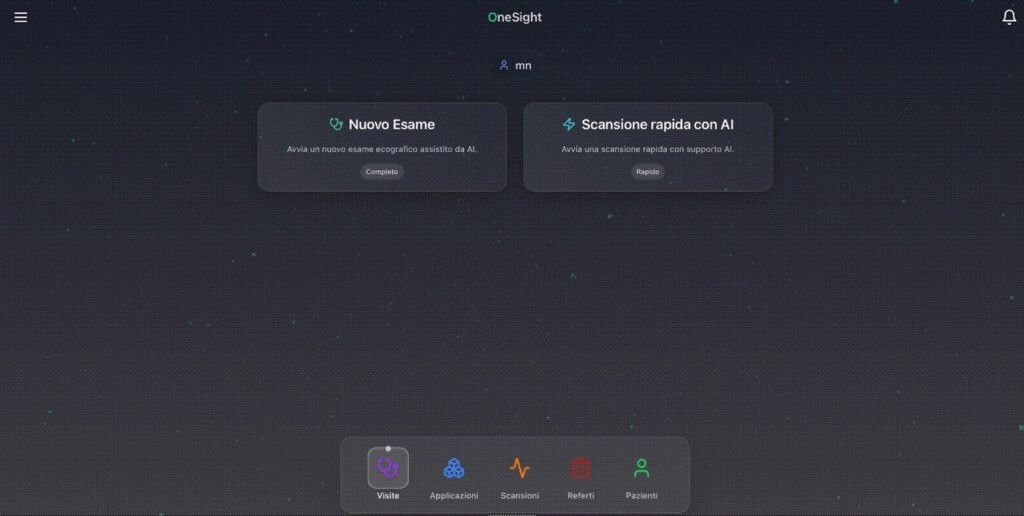
AI ถูกวางเป็น Assistant ใน Workflow มากกว่าจะเป็นผู้ตัดสินใจแทนผู้ใช้
Acquisition Guidance
ช่วย Guide ผู้ใช้งาน ผ่านขั้นตอนการตรวจแบบ Step-by-step
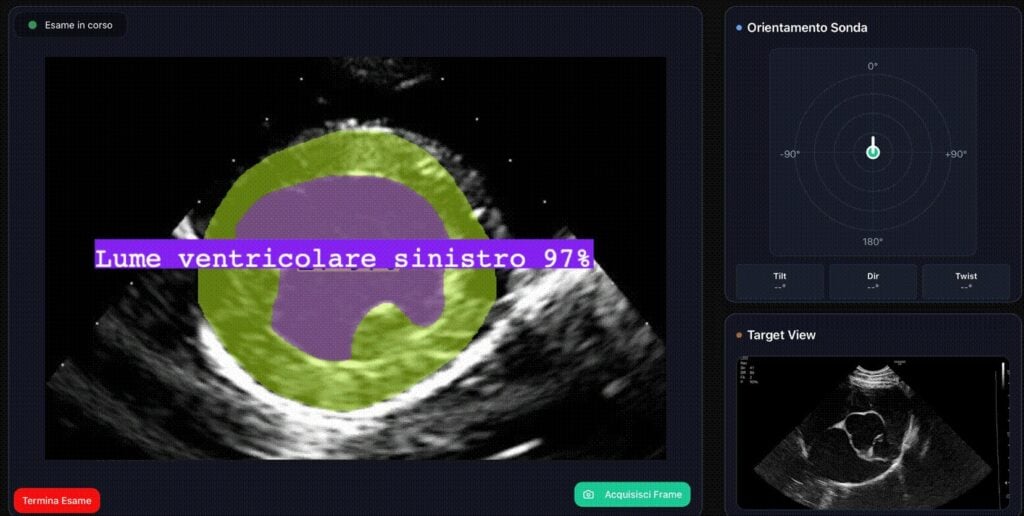
Image Analysis
วิเคราะห์ Imaging Feed ในระหว่าง Workflow
Reporting
ช่วยจัดข้อมูล ให้อยู่ในรูป Structured Report
ไม่มี Sensitivity, Specificity, Detection Accuracy, Dataset Size, Model Architecture หรือ Independent Clinical Benchmark ให้ใช้สรุปว่า AI แม่นยำกี่เปอร์เซ็นต์
Imaging Pipeline ทำงานอย่างไร?
จุด Technical ที่น่าสนใจมาก คือทีมไม่ได้เริ่มจากการให้ CM5 รับ Raw Ultrasound Signal โดยตรง
Imaging Pipeline แบบย่อ
Imaging Feed
Board
Video Stream
Compute Module 5
+ AI
จากนั้นผลถูกนำไปแสดง ผ่าน High-resolution Touchscreen เพื่อใช้ใน Guidance, Analysis และ Reporting Workflow
Source ไม่ได้อธิบาย Pulser, Transducer Drive, Analog Front End, Beamforming หรือ Probe Electrical Interface จึงไม่มีการเติม Architecture เหล่านั้นขึ้นเอง
Custom Acquisition Board เปลี่ยน Feed เป็น USB-UVC
Fast Medical Devices พัฒนา Acquisition Board ขึ้นเอง เพื่อ Capture High-resolution Video จาก Ultrasound Imaging Source และแปลง Feed ให้เป็น USB-UVC Stream
UVC ย่อมาจาก USB Video Class ซึ่งช่วยทำให้ Video Feed อยู่ในรูปแบบ Interface ที่ Compute Platform สามารถรับไปประมวลผลต่อได้ โดยไม่ต้องผูก Workflow ทั้งหมด เข้ากับ Proprietary Video Interface
Acquisition Hardware จัดการ Feed แล้วส่งต่อเป็น USB-UVC จากนั้น CM5 จึงรับหน้าที่ Processing, AI และ UI ต่อ
ไม่มี Resolution, Frame Rate, Codec, Pixel Format หรือ USB Bandwidth ของ Ultrasound Stream ที่ควรนำมาเติมเอง
ทำไมเลือก Raspberry Pi Compute Module 5?
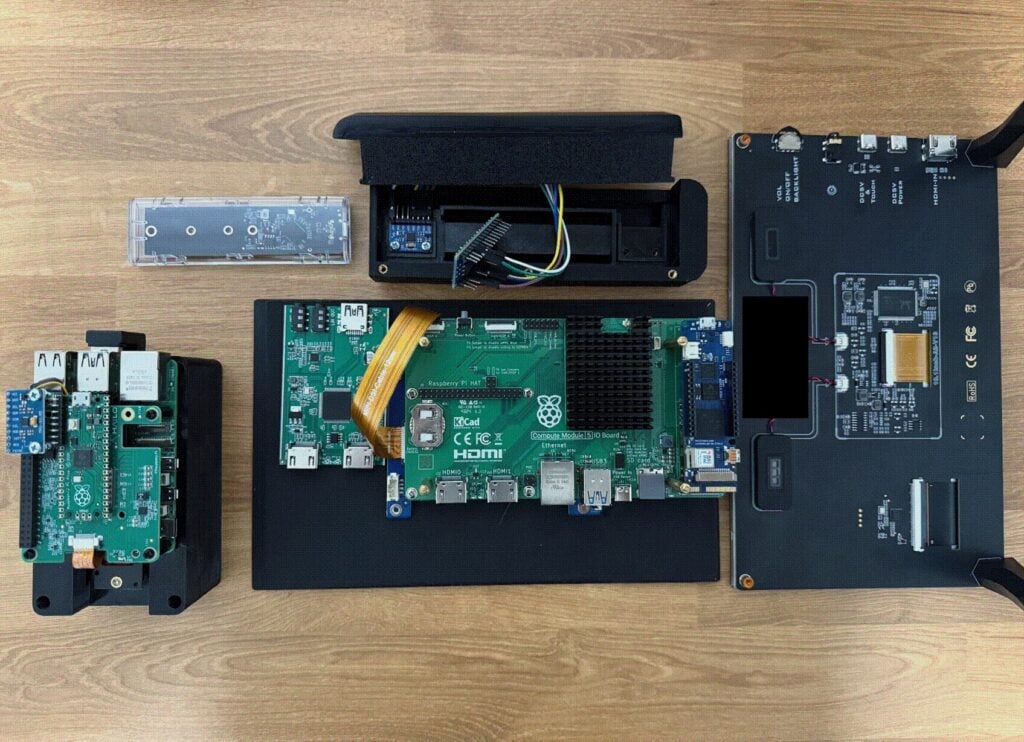
Fast Medical Devices พิจารณาหลาย Compute Platform แต่ต้องการสมดุลระหว่าง:
- Performance
- Compact Form Factor
- Low Power
- I/O
- Affordability
- Developer Ecosystem
- Scalability
Compute Module 5 ใช้ Broadcom BCM2712 แบบ Quad-core Cortex-A76 2.4 GHz และ Raspberry Pi Platform ปัจจุบัน มี Memory / eMMC หลาย Variant
| CM5 Platform Capability | Official Raspberry Pi Specification |
|---|---|
| Processor | Broadcom BCM2712 |
| CPU | 4 × Cortex-A76 @ 2.4 GHz |
| RAM Options | 2 / 4 / 8 / 16 GB |
| eMMC Options | 0 / 16 / 32 / 64 GB |
| PCIe | 1 × PCIe Gen 2 x1 |
| USB 3.0 | 2 Ports รองรับ 5 Gbps พร้อมกันตาม Official Product Page |
| Ethernet | Gigabit Ethernet PHY |
Main Case Study ไม่ได้ระบุว่า OneSight MVP ใช้ RAM หรือ eMMC Variant ใด จึงไม่ควรเลือกค่าให้เอง
CM5 กับ RP2040 ทำหน้าที่อะไร?
Raspberry Pi Case Study ระบุ Solution Components ว่ามี:
- Raspberry Pi Compute Module 5
- Raspberry Pi Compute Module 5 IO Board
- RP2040
CM5 ถูกอธิบายชัดว่าเป็น Main Compute Platform สำหรับ Processing และระบบ Software
จึงไม่ควรเดาว่า RP2040 ใช้ควบคุม Probe, Power Management, Sensor, ADC, Timing หรือ Watchdog หากไม่มี Source รองรับ
PCIe เปิดทางให้อะไรกับ Embedded AI?
Fast Medical Devices มองว่าการมาของ Raspberry Pi 5 Generation เป็นจุดเปลี่ยนสำคัญ เพราะ Platform เพิ่ม PCIe
ในเชิง Architecture PCIe เปิดทางให้เชื่อม:
- Low-power AI Accelerators
- Specialized Peripherals
- High-throughput Expansion Hardware
ห้ามสรุปว่าใช้ Hailo, Coral, NVIDIA หรือ Accelerator รุ่นอื่น เพียงเพราะ CM5 มี PCIe
AI ใน OneSight ทำอะไรจริง?
จาก Source ที่ใช้ AI ถูกวางในสามบทบาทหลัก:
Guide
ช่วยพาผู้ใช้งานผ่าน Acquisition Workflow แบบ Step-by-step
Analyse
ประมวลผลและวิเคราะห์ Ultrasound Imaging Feed แบบ Real-time
Report
ช่วยสร้าง Structured Diagnostic Report จาก Workflow
ข้อมูลของ Fast Medical Devices ยังกล่าวถึงการช่วย Recognise Anatomical Structures ในบริบทของ AI-assisted Workflow
Source วาง OneSight เป็นระบบช่วย Veterinarian ไม่ใช่ระบบที่ควรถูกอธิบายว่า ตัดสิน Diagnosis หรือ Treatment แทนผู้เชี่ยวชาญโดยอัตโนมัติ
Touchscreen Guide Veterinarian แบบ Step-by-step
OneSight มี High-resolution Touchscreen เพื่อให้ Workflow ใช้งานได้ ในสถานการณ์ที่มี Time Pressure
UI จึงไม่ได้เป็นเพียง Video Monitor แต่เป็นส่วนหนึ่งของ Guided Workflow ที่เชื่อม Imaging, AI และ Report เข้าด้วยกัน
Device ที่ประมวลผลเก่ง แต่ใช้งานยากใน Emergency Room ก็ยังไม่ตอบโจทย์ OneSight จึงให้ความสำคัญ กับ Step-by-step Interface ตั้งแต่ MVP
ทำไมต้องมี Custom OS?
Main Source ระบุว่า OneSight ใช้ Custom Operating System ที่ปรับให้ตัด Component ที่ไม่จำเป็นออก
เป้าหมายคือ:
- ลด Software Component ที่ไม่จำเป็น
- เหลือ Resource ให้ Medical Workload มากขึ้น
- ควบคุม Software Environment ได้สม่ำเสมอ
- ลดความซับซ้อนในการ Deploy หลาย Unit
ไม่มีข้อมูลพอให้สรุปว่าใช้ Raspberry Pi OS Version ใด, Kernel ใด, Container Runtime ใด หรือ Package Set อะไร
CI/CD สำคัญกับ Hardware Product ยังไง?
OneSight ไม่ได้หยุดที่ “Flash SD/eMMC แล้วใช้ได้”
ทีม Integrate Device เข้ากับ CI/CD Pipeline เพื่อทำให้การสร้าง และติดตั้ง OS Image บนหลาย Unit มีความสม่ำเสมอขึ้น
จัดการ Software และ System Configuration
สร้าง Custom Operating System Image
ตรวจ Build ก่อนนำไปใช้กับ Unit
Program OS Image ไปยัง Device หลายเครื่อง
รักษา Version ให้สอดคล้องกันระหว่าง Deployment
Main Source ระบุว่ากระบวนการนี้ ช่วยลด Manual Setup ลด Error ระหว่าง Deployment และช่วยให้ Clinic สามารถรับ Secure OTA Updates ได้
Secure Boot / OTA / Signed Updates ต้องอ่านอย่างไร?
Security เป็น Requirement สำคัญ เพราะ Device ต้องจัดการ Clinical Information, Software Update และ System Integrity
- Custom OS
- Process Isolation
- Data Integrity
- CI/CD-controlled Deployment
- Secure OTA Updates
- Platform Support สำหรับ Secure Boot / Signed Updates
Raspberry Pi มี Secure Boot Provisioning สำหรับ Compute Module 5 และ Official Documentation รองรับการ Provision CM5 ผ่าน CM5 IO Board
Main Case Study ไม่ได้เปิด Provisioning Configuration, Key Management, Encryption Detail หรือ Secure Boot State ของเครื่อง Pilot แต่ละเครื่อง
Fanless + Waterproof Enclosure แต่ไม่มี IP Rating
Main Source อธิบาย Enclosure ของ OneSight ว่า:
- Compact
- Fanless
- Waterproof
- Medical-grade
- Easy to sanitize
- เหมาะกับ Continuous Operation
Fanless Design ช่วยลด Moving Parts และเหมาะกับ Device ที่ต้องใช้งานใน Clinical Environment
แม้ Case Study ใช้คำว่า Waterproof แต่ไม่มีข้อมูล IP65, IP67 หรือ IP68 จึงไม่ควรเติม Rating เอง และ Source ก็ไม่ได้ให้ Chemical-resistance Specification สำหรับ Cleaning Agent
ทำไมไม่ใช้ Full PC + High-end GPU?
Fast Medical Devices พิจารณาแนวทางใช้ Full-size PC พร้อม High-end GPU
แต่ในบริบทของ Portable Medical Device Approach นี้ไม่ตอบโจทย์ เพราะทีมมองว่า:
- ตัวเครื่องใหญ่เกินไป
- ต้นทุนสูงเกินไป
- ใช้พลังงานสูงเกินไป
แต่คือ “Compute เท่าไรถึงเพียงพอ ภายใต้ข้อจำกัดของ Size, Power, Cost และ I/O?” ซึ่งเป็นเหตุผลที่ CM5 เหมาะกับ MVP ของ OneSight
Pilot Clinics ได้ผลลัพธ์อะไร?
Raspberry Pi Case Study รายงานว่า OneSight ถูกทดสอบกับ Pilot Clinics และทีมเห็นผลลัพธ์ด้าน Workflow เช่นการลด Time to Diagnosis และช่วยให้เข้าถึง Advanced Imaging ได้มากขึ้น
Case Study ยังระบุว่า Veterinarian บางแห่ง สามารถทำ Ultrasound ได้ประมาณ 2–3 เท่า ของ Capacity เดิม
Source ไม่ได้ให้ Sample Size, Study Design, Statistical Analysis หรือ Peer-reviewed Clinical Trial จึงไม่ควรเปลี่ยนตัวเลขนี้ เป็น Claim ว่าระบบ “พิสูจน์ทางคลินิกแล้วว่าเร็วขึ้น 3 เท่า”
MVP วันนี้กับ Custom Medical-grade Hardware ในอนาคต
OneSight Architecture ใน Success Story ถูกอธิบายว่าเป็น MVP ที่ใช้ Compute Module 5 และ Compute Module 5 IO Board เพื่อเร่ง Development
แต่ Fast Medical Devices วางแผนให้ Architecture พัฒนาไปสู่ Custom Medical-grade Hardware Platform ในอนาคต
เริ่มด้วย Official IO Board เพื่อ Validate Architecture และ Software ก่อน แล้วค่อยย้าย Compute Module ไปยัง Custom Carrier Board เมื่อ Product Requirement ชัดขึ้น
Future Direction ที่ Source กล่าวถึง ยังรวม:
- Wearable Accessories สำหรับ Patient / Clinician
- Enhanced AI Workflows
- Cloud-based Diagnostic Service Integration
ไม่ควรเขียนว่า Wearable หรือ Cloud Integration เป็น Feature ที่ Deploy แล้วใน Pilot Unit หาก Source ระบุว่าเป็นทิศทางในอนาคต
CE Certification อยู่สถานะไหน?
Main Source ระบุว่า Fast Medical Devices กำลังเตรียม:
- Broader Deployment
- CE Certification
- International Expansion
ดังนั้นสถานะไม่ใช่ “CE Certified แล้ว”
บทความนี้อ้างอิง OneSight ในสถานะ MVP / Pilot และ Source ระบุว่ากำลังเตรียม CE Certification จึงไม่ควรใช้ถ้อยคำ ที่ทำให้เข้าใจว่าระบบได้รับ Certification เรียบร้อยแล้ว
ข้อมูลอะไรที่ Source ไม่ได้เปิด?
| ข้อมูล | สถานะ |
|---|---|
| CM5 RAM Variant | Source ไม่ได้ระบุ |
| CM5 eMMC Variant | Source ไม่ได้ระบุ |
| หน้าที่เฉพาะของ RP2040 | Source ไม่ได้ระบุ |
| AI Accelerator รุ่นที่ใช้ | Source ไม่ได้ระบุ |
| AI Model Architecture | Source ไม่ได้ระบุ |
| AI Accuracy / Sensitivity / Specificity | Source ไม่ได้ระบุ |
| Dataset Size / Training Dataset | Source ไม่ได้ระบุ |
| Inference Latency | Source ไม่ได้ระบุ |
| Ultrasound Video Resolution | Source ไม่ได้ระบุ |
| Frame Rate / Codec | Source ไม่ได้ระบุ |
| Probe Drive Electronics | Source ไม่ได้ระบุ |
| IP Rating | Source ไม่ได้ระบุ |
| Final Commercial Hardware Architecture | ยังอยู่ในเส้นทางพัฒนาต่อจาก MVP |
Medical / AI Safety Caveat
บทความนี้ไม่ใช่ Veterinary Medical Advice
เนื้อหานี้อธิบาย Engineering Architecture ของ OneSight Case Study ไม่ใช่คำแนะนำในการวินิจฉัย, รักษา หรือใช้ Ultrasound กับสัตว์จริง
AI ไม่ควรถูกอธิบายว่าแทน Veterinarian
Source วาง OneSight เป็น AI-guided / AI-assisted System สำหรับช่วย Workflow ไม่ได้ให้ข้อมูลเพียงพอ ที่จะ Claim Autonomous Diagnosis หรือ Clinical Accuracy แทนผู้เชี่ยวชาญ
บทความนี้ไม่ครอบคลุม Ultrasound Probe Electronics
ไม่มีการสร้าง High-voltage Pulser, Probe Driver, Analog Front End, Medical Power Supply หรือ Patient-connected Circuit เพิ่มจาก Source และไม่ควรนำ Functional Diagram ไปใช้แทน Medical-device Engineering Documentation
Case Study และ CM5 Documentation
FAQ: OneSight AI Ultrasound + Raspberry Pi CM5
1. OneSight คืออะไร?
เป็น Portable AI-guided Ultrasound Platform ที่ Fast Medical Devices พัฒนาสำหรับ Veterinary Workflow
2. ใช้ Raspberry Pi รุ่นไหน?
Main Source ระบุ Raspberry Pi Compute Module 5
3. ใช้ Compute Module 5 IO Board หรือไม่?
ใช่ Case Study ระบุ CM5 IO Board เป็นส่วนหนึ่งของ MVP Solution
4. RP2040 ทำหน้าที่อะไร?
Source ระบุว่ามี RP2040 ใน Solution แต่ไม่ได้อธิบาย Function เฉพาะ
5. Ultrasound Feed เข้า CM5 อย่างไร?
Custom Acquisition Board Capture Imaging Feed และแปลงเป็น USB-UVC Stream ก่อนส่งเข้า CM5
6. UVC คืออะไร?
UVC ย่อมาจาก USB Video Class เป็นรูปแบบมาตรฐานสำหรับ Video Device ผ่าน USB
7. AI รันบน CM5 หรือ Cloud?
Main Case Study เน้น Real-time Processing บน Device / Edge Architecture ส่วน Cloud Diagnostic Integration ถูกกล่าวถึงเป็น Future Direction
8. ใช้ AI Accelerator รุ่นอะไร?
Source ไม่ได้ระบุ แม้ Raspberry Pi 5 Generation จะมี PCIe สำหรับเชื่อม Accelerator ได้
9. ใช้ AI Model อะไร?
Source ไม่ได้ระบุ Model Architecture หรือ Framework
10. AI Accuracy เท่าไร?
Source ไม่ได้ให้ Accuracy, Sensitivity หรือ Specificity
11. OneSight แทน Veterinarian ได้หรือไม่?
Source วาง OneSight เป็น AI-guided Assistant ที่ช่วย Workflow ไม่ได้ระบุว่าใช้แทน Veterinarian สำหรับ Autonomous Diagnosis
12. OneSight ได้ CE Certification แล้วหรือไม่?
Main Source ระบุว่า Fast Medical Devices กำลังเตรียม CE Certification ไม่ได้ระบุว่า Certified แล้ว
13. Enclosure มี IP Rating เท่าไร?
Source ใช้คำว่า Waterproof แต่ไม่ได้ระบุ IP Rating
14. Pilot Clinic เพิ่มจำนวน Ultrasound ได้เท่าไร?
Raspberry Pi Case Study ระบุว่าบาง Clinic สามารถทำ Ultrasound ได้ประมาณ 2–3 เท่าของ Capacity เดิม
15. ตัวเลข 2–3 เท่าเป็น Clinical Trial หรือไม่?
Source ไม่ได้ให้รายละเอียด Sample Size, Study Design หรือ Peer-reviewed Trial จึงควรอ่านเป็นผลที่ Case Study รายงาน
16. ใช้ CM5 RAM เท่าไร?
Source ไม่ได้ระบุ Configuration ของ OneSight MVP
17. เปิด Secure Boot อยู่หรือไม่?
Raspberry Pi CM5 รองรับ Secure Boot Provisioning และ Case Study กล่าวถึง Security Feature แต่ไม่ได้เปิด Configuration ของ Pilot Unit แต่ละเครื่อง
18. Hardware ที่เห็นเป็น Final Commercial Product หรือไม่?
Case Study อธิบายระบบนี้เป็น MVP และระบุว่า Architecture จะพัฒนาไปสู่ Custom Medical-grade Hardware Platform ในอนาคต
สิ่งที่น่าสนใจไม่ใช่แค่เอา AI ใส่ Ultrasound แต่คือทำให้ทั้ง Pipeline อยู่ใน Embedded Platform
OneSight แสดงให้เห็นว่า Medical AI Product ไม่ได้จบที่การเลือก Model ที่วิเคราะห์ภาพได้
ระบบต้องเชื่อมตั้งแต่ Imaging Acquisition, Video Interface, Embedded Compute, User Experience, Operating System, Security, Provisioning และ Software Update ให้ทำงานเป็น Product เดียวกัน
Raspberry Pi Compute Module 5 ช่วย Fast Medical Devices สร้าง MVP ได้เร็ว โดยยังมี I/O และ Compute Headroom เพียงพอสำหรับ Real-time Imaging Workflow และเปิดทางให้ Architecture พัฒนาต่อไปยัง Custom Carrier และ Specialized Accelerator ได้
ในขณะเดียวกัน OneSight ยังเป็นตัวอย่างที่ดีว่า เมื่อเรื่อง AI เข้าไปอยู่ใน Medical Workflow คำอย่าง Accuracy, Certification, Security และ Clinical Result ต้องถูกอธิบายตามหลักฐานที่มีจริง ไม่ใช่เติม Claim เพียงเพราะระบบใช้ AI
โปรเจกต์นี้มีหลายส่วน แนะนำอ่านต้นฉบับควบคู่กัน
References / แหล่งข้อมูลต้นฉบับ
กำลังทำ Raspberry Pi, Embedded AI หรือ Computer Vision Project?
OneSight เป็นตัวอย่างของ Project ที่ต้องเชื่อม Compute Module, Video Acquisition, AI Processing, Display และ Software Deployment เข้าด้วยกันเป็นระบบเดียว
หากกำลังเลือก Raspberry Pi, Development Board, AI Hardware, Sensor หรือ Module สามารถสอบถามทีม GlobalByte เรื่องบอร์ดหรืออุปกรณ์ที่เหมาะกับ Requirement ของ Project ได้


